
Contents
- 👗 Introduction to Clothing Evolution
- 🕰️ Historical Development of Clothing
- 🧵 Textiles and Fabrics in Clothing
- 👖 Garment Construction and Design
- 👠 Footwear and Accessories
- 🏞️ Geographic and Cultural Influences
- 👥 Social Factors and Body Type Considerations
- 🔥 Contemporary Clothing Trends and Innovations
- 🌎 Sustainability and the Future of Clothing
- 👑 The Impact of Celebrity Culture on Fashion
- 📈 The Economic Aspect of the Clothing Industry
- 👀 Conclusion: The Ever-Changing World of Clothing
- Frequently Asked Questions
- Related Topics
Overview
Clothing has been a cornerstone of human culture for thousands of years, with ancient civilizations such as Egypt, Greece, and Rome contributing to its development. The Industrial Revolution marked a significant turning point in the history of clothing, with the introduction of mechanized textile production and the rise of fast fashion. Today, the clothing industry is a global phenomenon, with a projected value of over $3 trillion by 2025. However, the industry's rapid growth has also raised concerns about sustainability, with the average American generating 82 pounds of textile waste per year. As consumers become increasingly aware of the environmental and social impact of their purchasing decisions, the clothing industry is shifting towards more sustainable and responsible practices. With a vibe score of 8, the future of clothing is likely to be shaped by technological innovations, such as 3D printing and digital textiles, as well as growing demand for second-hand and rental clothing services.
👗 Introduction to Clothing Evolution
The evolution of clothing is a story that spans thousands of years, with fashion trends and textile innovations shaping the way people dress. Clothing is any item worn on the human body, and its primary function is to cover and protect the body. Over time, clothing has become an integral part of human culture, with different sociological and anthropological factors influencing the type and amount of clothing worn. The study of clothing history reveals that garments have been made from a variety of materials, including animal skin and natural fibers. As humans migrated to different parts of the world, they adapted their clothing to suit the local climate and environment.
🕰️ Historical Development of Clothing
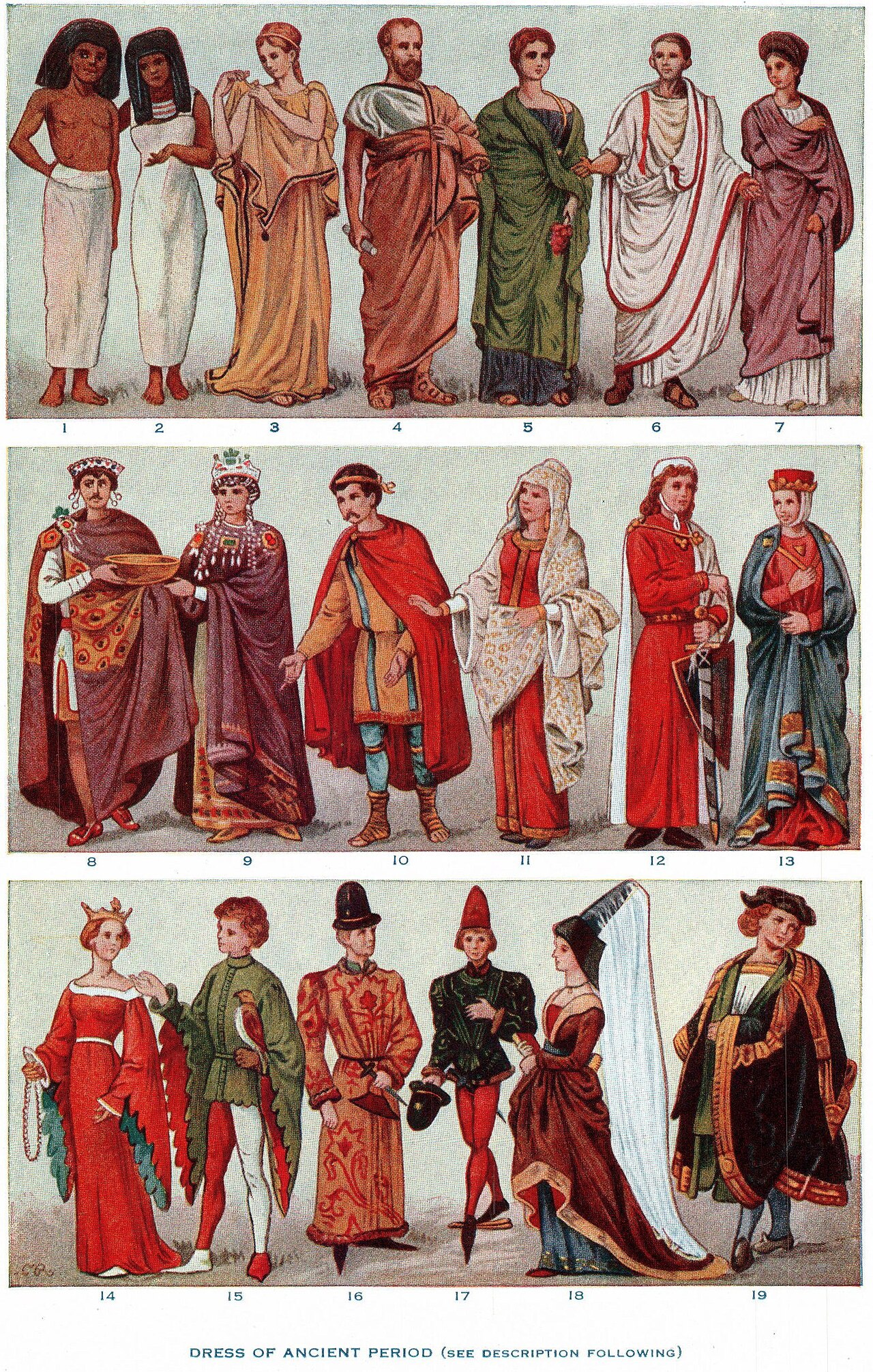
The historical development of clothing is a complex and fascinating topic, with archaeological evidence showing that early humans wore garments made from fur and leather. As civilizations developed, so did the art of weaving and sewing, with the ancient Egyptians and Greeks creating intricate garments from linen and wool. The Middle Ages saw the rise of tailoring, with medieval clothing featuring elaborate embroidery and brocade. The Industrial Revolution brought significant changes to the clothing industry, with the introduction of mass production and synthetic fibers.
🧵 Textiles and Fabrics in Clothing
Textiles and fabrics have played a crucial role in the evolution of clothing, with different materials offering unique properties and characteristics. Cotton is one of the most widely used natural fibers, while polyester and nylon are popular synthetic fibers. The development of new textiles has enabled the creation of high-tech clothing with advanced properties, such as waterproof and breathable fabrics. The use of sustainable textiles is also becoming increasingly important, with eco-friendly materials and production methods gaining popularity. As the clothing industry continues to evolve, it is likely that we will see even more innovative textile technology and fashion design.
👖 Garment Construction and Design
Garment construction and design have undergone significant changes over the centuries, with fashion designers pushing the boundaries of creativity and innovation. The art of pattern making has enabled the creation of complex garments with intricate details and embellishments. The use of computer-aided design (CAD) software has revolutionized the fashion industry, allowing designers to create digital prototypes and virtual reality experiences. As the fashion industry continues to evolve, it is likely that we will see even more emphasis on sustainable design and inclusive fashion.
👠 Footwear and Accessories
Footwear and accessories have played a significant role in the evolution of clothing, with different types of shoes and headgear reflecting the cultural and social status of the wearer. The ancient Egyptians wore sandals made from papyrus and leather, while the Victorian era saw the rise of high heels and top hats. The 20th century saw the emergence of sneakers and sportswear, with athleisure wear becoming increasingly popular in recent years. As the fashion industry continues to evolve, it is likely that we will see even more innovative footwear design and accessory trends.
🏞️ Geographic and Cultural Influences
Geographic and cultural influences have shaped the evolution of clothing, with different regions and cultures developing unique traditional clothing and fashion styles. The Asian continent is home to a diverse range of traditional garments, including the kimono and sari. The African continent is known for its vibrant print fabrics and colorful clothing, while the Latin American region is famous for its embroidered clothing and folkloric dance. As the world becomes increasingly globalized, it is likely that we will see even more cultural exchange and fashion fusion.
🔥 Contemporary Clothing Trends and Innovations
Contemporary clothing trends and innovations are shaping the future of the fashion industry, with sustainable fashion and digital fashion becoming increasingly important. The use of 3D printing and virtual reality is enabling the creation of complex garments and accessories with advanced properties. The rise of fast fashion has also had a significant impact on the industry, with environmental impact and social responsibility becoming major concerns. As the fashion industry continues to evolve, it is likely that we will see even more emphasis on sustainable practices and social accountability.
🌎 Sustainability and the Future of Clothing
The future of clothing is likely to be shaped by sustainability and technology, with the use of eco-friendly materials and production methods becoming increasingly important. The development of new textiles and innovative fabrics is enabling the creation of high-tech clothing with advanced properties. The rise of digital fashion is also changing the way people interact with clothing, with virtual try-on and online shopping becoming increasingly popular. As the fashion industry continues to evolve, it is likely that we will see even more emphasis on sustainable living and responsible consumption.
👑 The Impact of Celebrity Culture on Fashion
The impact of celebrity culture on fashion is significant, with celebrities and influencers influencing the way people dress and interact with clothing. The rise of social media has enabled celebrities to showcase their personal style and fashion choices to a global audience. The use of celebrity endorsements and influencer marketing is also becoming increasingly popular, with brands partnering with celebrities and influencers to promote their products. As the fashion industry continues to evolve, it is likely that we will see even more emphasis on celebrity culture and influencer marketing.
📈 The Economic Aspect of the Clothing Industry
The economic aspect of the clothing industry is significant, with the global fashion industry generating billions of dollars in revenue each year. The rise of fast fashion has had a major impact on the industry, with low-cost production and quick turnaround enabling brands to produce and distribute clothing quickly and cheaply. However, the environmental and social impact of fast fashion is also a major concern, with waste management and labor practices becoming increasingly important. As the fashion industry continues to evolve, it is likely that we will see even more emphasis on sustainable practices and social responsibility.
👀 Conclusion: The Ever-Changing World of Clothing
In conclusion, the evolution of clothing is a complex and fascinating topic, with fashion trends and textile innovations shaping the way people dress. As the fashion industry continues to evolve, it is likely that we will see even more emphasis on sustainability, technology, and social responsibility. The use of eco-friendly materials and production methods, the development of new textiles and innovative fabrics, and the rise of digital fashion are all likely to play a significant role in shaping the future of the fashion industry.
Key Facts
- Year
- 2022
- Origin
- Ancient Mesopotamia, circa 3000 BCE
- Category
- Fashion
- Type
- Concept
Frequently Asked Questions
What is the primary function of clothing?
The primary function of clothing is to cover and protect the body. Clothing also plays a significant role in social status, cultural identity, and personal expression. The type and amount of clothing worn can vary greatly depending on geographic and cultural factors. In addition, clothing can also serve as a means of self-expression and [[communication|communication].
What are the different types of textiles used in clothing?
There are several types of textiles used in clothing, including natural fibers such as cotton, wool, and silk, as well as synthetic fibers such as polyester and nylon. The choice of textile depends on the desired properties of the garment, such as durability, comfort, and aesthetics.
How has the fashion industry evolved over time?
The fashion industry has evolved significantly over time, with changes in technology, society, and culture all playing a role. The Industrial Revolution brought significant changes to the industry, with the introduction of mass production and synthetic fibers. The 20th century saw the rise of ready-to-wear clothing and the emergence of fashion designers as celebrities. Today, the industry is characterized by fast fashion, sustainable fashion, and digital fashion.
What is the impact of fast fashion on the environment?
The impact of fast fashion on the environment is significant, with the industry being one of the largest polluters in the world. The production and distribution of clothing requires large amounts of energy, water, and chemicals, resulting in greenhouse gas emissions, water pollution, and waste management issues. Additionally, the rapid turnover of clothing in the fast fashion industry results in a significant amount of waste and unsustainable practices.
What is the future of clothing?
The future of clothing is likely to be shaped by sustainability and technology. The use of eco-friendly materials and production methods, the development of new textiles and innovative fabrics, and the rise of digital fashion are all likely to play a significant role in shaping the future of the fashion industry. Additionally, the industry is likely to see a shift towards circular business models and closed-loop production, where clothing is designed to be recycled and reused.
How is the fashion industry addressing sustainability?
The fashion industry is addressing sustainability in a number of ways, including the use of eco-friendly materials, the implementation of sustainable practices in production and distribution, and the development of circular business models. Many companies are also investing in research and development to create new sustainable textiles and innovative fabrics. Additionally, there is a growing trend towards second-hand clothing and clothing rental, which can help reduce waste and promote sustainable consumption.
What is the role of technology in the fashion industry?
Technology is playing an increasingly important role in the fashion industry, with advances in digital design, 3D printing, and virtual reality enabling the creation of complex garments and accessories with advanced properties. The use of artificial intelligence and machine learning is also becoming more prevalent, with applications in predictive analytics and personalized marketing. Additionally, technology is enabling new business models, such as clothing rental and subscription services, which can help reduce waste and promote sustainable consumption.
👥 Social Factors and Body Type Considerations
Social factors and body type considerations have played a significant role in the evolution of clothing, with different social classes and body types influencing the type and amount of clothing worn. The Middle Ages saw the rise of sumptuary laws, which regulated the type of clothing that could be worn by different social classes. The 20th century saw the emergence of ready-to-wear clothing, which enabled people to purchase off-the-rack garments that fit their body type. As the fashion industry continues to evolve, it is likely that we will see even more emphasis on inclusive fashion and body positivity.